Photo Stability Chamber: Working Principles, Applications, and Importance in Quality Testing
Wiki Article

How to Choose the Right Photo Stability Chamber for Laboratory Testing
Selecting laboratory equipment requires a clear understanding of the work it must perform. A photo stability chamber may look like a straightforward enclosure with a lighting system, but its suitability depends on exposure requirements, sample capacity, measurement accuracy, environmental controls, and the testing standards relevant to the application. Choosing equipment without defining these requirements can create difficulties when laboratories attempt to establish repeatable test conditions or document their results.
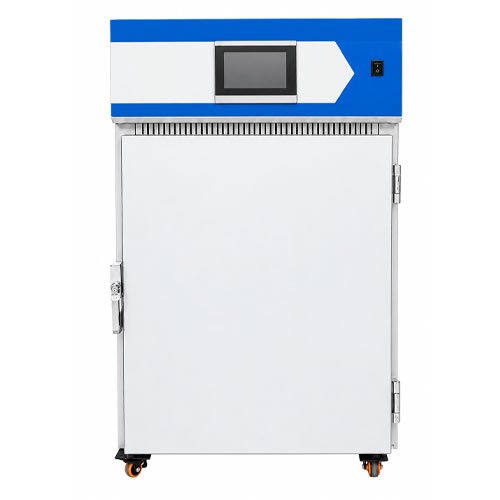
For laboratories evaluating light-sensitive products, the photo stability chamber product page from JSK Engitech is a useful place to begin researching available equipment. A complete selection process should go beyond the product category and examine the technical specifications, operational requirements, and quality expectations of the intended study.
Define the Purpose of the Testing Programme
The first step is to identify why the chamber is required. A pharmaceutical laboratory may need to conduct formal photostability studies, while a cosmetics manufacturer may want to investigate colour changes or formulation stability. A research laboratory may need a controlled light environment for exploratory experiments.
These applications can involve different exposure requirements, sample quantities, analytical procedures, and documentation expectations. Defining the purpose makes it easier to determine which equipment capabilities are essential and which features are unnecessary for the planned work.
Identify the Materials to Be Tested
Prepare an overview of the products and sample formats that will be used. Tablets, capsules, liquid formulations, powders, raw materials, and packaging samples may require different arrangements inside the chamber. Their dimensions and sensitivity to light can influence sample placement and the amount of usable space required.
Also consider whether samples will be tested individually or in groups. The chamber should accommodate the required sample arrangement without creating unintended shading or placing samples outside the intended exposure area.
Evaluate Light Source Requirements
Light source selection is central to photo stability testing. Visible light and ultraviolet radiation may produce different effects, and a study may require one or both according to its objectives. Laboratories should verify the wavelengths, source characteristics, and exposure capabilities of the proposed system.
It is important to distinguish between a lighting system that simply illuminates a sample and one designed to support controlled, measurable photostability studies. The latter requires suitable exposure monitoring and documented procedures to demonstrate what the sample actually received.
Check Exposure Measurement Capabilities
Photostability testing often depends on the accumulated exposure received by a sample over time. Appropriate instruments and measurement methods are therefore important. Laboratories should determine how exposure intensity is verified, how cumulative exposure is calculated, and how the relevant measurements are recorded.
Ask the supplier which measurement instruments are included, which are optional, and which must be sourced separately. Confirm the recommended calibration or verification procedure and establish how the laboratory will maintain measurement traceability.
Consider Temperature Monitoring and Control
Light sources can contribute heat, and temperature may affect the behaviour of a sample independently of its response to light. Depending on the study, it may be necessary to monitor or control temperature to understand the conditions under which the exposure takes place.
Do not assume that every photo stability chamber provides the same temperature-control capabilities. Review the equipment specifications and determine whether the proposed system can meet the requirements of the test protocol. If temperature is a critical variable, establish where it is measured and how its stability is documented.
Calculate the Required Chamber Capacity
Chamber capacity should reflect the number, size, and arrangement of samples used in the laboratory's actual testing programme. A nominal chamber volume does not necessarily indicate how many samples can receive the intended exposure simultaneously. The usable area depends on the internal layout, sample supports, source positions, and any restrictions associated with the exposure zone.
When planning capacity, account for future testing requirements without selecting an unnecessarily large system. A larger chamber may provide flexibility, but it can also affect installation space, operating requirements, and the practical organisation of samples.
- Estimate the normal number of samples tested in each study.
- Record the dimensions of sample containers and packaging.
- Determine whether samples need separation to prevent shading.
- Identify whether different products must be tested independently.
- Consider the space required for sensors and measurement equipment.
- Allow for practical loading, unloading, and inspection access.
Assess Controls, Monitoring, and Data Recording
Control systems help operators configure the available test settings and manage equipment functions. Depending on the model, a chamber may provide programmable operation, digital displays, alarms, or data-recording features. The availability of each feature should be verified from the technical documentation.
For laboratories operating under a quality management system, the ability to document test conditions can be as important as the physical exposure process. Determine how operating settings, exposure measurements, temperature records, and deviations will be captured and retained.
Consider Data Integrity Requirements
Where electronic records support regulated activities, laboratories should evaluate whether the system and its use meet the applicable data integrity requirements. This assessment may include access controls, record retention, audit trail functionality, backup arrangements, and procedures for reviewing data.
Not every application requires the same level of electronic functionality. The appropriate solution should be based on the intended use, applicable regulations, and laboratory procedures rather than on feature lists alone.
Review Safety and Laboratory Installation Needs
Ultraviolet radiation can present risks to skin and eyes, so the equipment should provide appropriate protection for the intended source and operating conditions. Operators must follow the manufacturer's instructions and the laboratory's safety procedures. The enclosure, access arrangements, warning indicators, and any protective interlocks should be assessed according to the equipment design.
Installation requirements should also be considered. Confirm the available space, electrical supply, ventilation requirements, ambient conditions, access for maintenance, and any restrictions related to the intended location. These details can affect the practicality of installation and routine use.
Compare Suppliers and Technical Documentation
When comparing equipment proposals, use a consistent set of requirements. Ask each supplier to identify the included features, optional components, installation requirements, operating limits, and maintenance expectations. Request supporting technical documentation for specifications that are critical to the testing programme.
The JSK Engitech photo stability chamber page can help prospective buyers identify the relevant equipment category. Before purchasing, confirm the precise model configuration, source specifications, exposure measurement arrangements, usable capacity, and any support services included in the proposal.
Build a Complete Ownership Plan
Purchase cost is only one element of laboratory equipment ownership. Routine verification, calibration of measurement instruments, replacement of light sources, maintenance, training, and possible downtime should be considered when comparing options.
Ask how routine service is organised, which components require periodic replacement, and whether operating manuals and maintenance instructions are supplied. A clear ownership plan helps laboratories estimate the resources required to keep the equipment suitable for its intended use.
Conclusion
Selecting a photo stability chamber begins with a Photo Stability Chamber clear definition of the testing programme, followed by an assessment of light sources, exposure measurement, temperature requirements, sample capacity, controls, safety, and maintenance.
A structured comparison of technical specifications helps laboratories avoid choosing equipment that does not match their actual needs. Use the JSK Engitech product page as a starting point for research, then confirm the exact configuration and supporting documentation before making the final decision.
Photo Stability Chamber
 Report this wiki page